

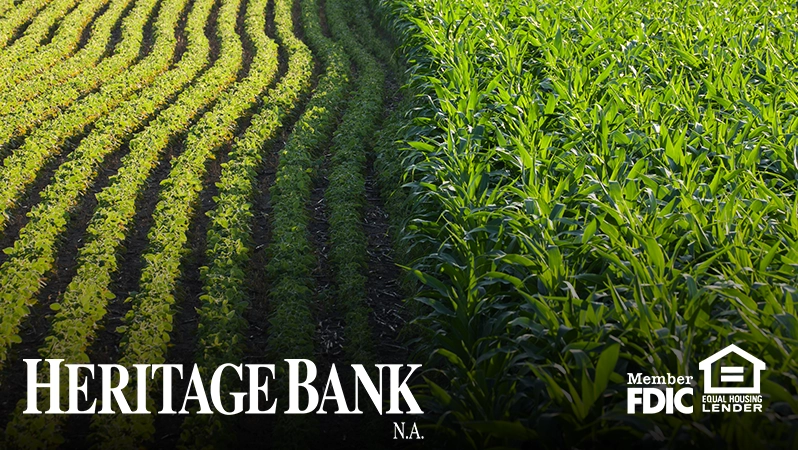
How is the harvest shaping up for Minnesota farmers? With variable weather patterns and evolving market conditions, having expert guidance is more critical than ever. In a recent “Ask the Expert” segment on KWLM, Heritage Bank’s Ag Relationship Manager, Chuck Nolting, shared his professional insights on the Minnesota crop yield forecast.
This post summarizes Chuck’s key predictions and advice for local producers. For a more detailed analysis, you can listen to the full interview audio linked below.
2025 Minnesota Crop Yield Projections
According to Chuck Nolting, this year’s harvest outlook is a tale of significant variability. While some areas are seeing promising numbers, others are facing challenges that will impact final yields.
- Minnesota Corn Yield: According to Chuck’s projections, the average corn yield is expected to be around 199 bushels per acre.
- Minnesota Soybean Yield: The average yield for soybeans is projected to be approximately 53 bushels per acre.
Key Weather and Agronomic Factors
Several factors are contributing to the mixed Midwest crop forecast. Nolting pointed to inconsistent weather as a primary driver.
- Rainfall: Timely rains have benefited many, but pockets of dryness or excessive moisture have created uneven crop development. The success of this year’s crop closely depends on which areas received excessive rain and which did not.
- Temperature Swings: Dramatic shifts in temperature have also added stress to corn and soybean crops, affecting their growth stages and overall health. These fluctuations make it difficult to predict a consistent outcome for the entire region.
- Local Conditions: Ultimately, yield potential comes down to hyper-local conditions. Factors such as soil type, planting dates, and pest and disease pressure are creating a mosaic of outcomes across Minnesota farms.
Financial Implications for Minnesota Farmers
The variability in yields has direct financial implications. Chuck referenced the recent USDA farm income projections, which predict a drop in farm income for 2025. This forecast adds pressure on producers to maximize their returns during harvest. A lower-than-expected yield could significantly tighten margins, making strategic planning and risk management essential. As a trusted Heritage Bank ag expert, Chuck emphasized the importance of understanding these financial headwinds.
Expert Advice for the Upcoming Harvest
With these factors in mind, what should farmers be doing as they prepare for harvest? Chuck Nolting offered clear, actionable advice:
- Be Prepared: Ensure your equipment is ready to go. The window for an optimal harvest can be short, and being prepared allows you to capitalize on good weather conditions without delay.
- Monitor Your Fields: Don’t rely on general reports. Walk your fields, assess crop maturity, and make decisions based on what you see. Understanding the specific state of your corn and soybeans is crucial for timing your harvest effectively.
- Stay Informed: Keep up with market trends and local weather forecasts. This information will help you make informed decisions about when to harvest and when to sell.
Get Deeper Insights on the Harvest Outlook
Chuck Nolting’s analysis provides a valuable snapshot of the Minnesota crop yield forecast. His insights show a year of change. Preparation and wise choices will be necessary for a good harvest. You can also learn more about navigating the Minnesota Agriculture landscape in this post.
For questions or Ag inquiries, please reach out to Chuck Nolting at Heritage Bank NA.